Welcome to The Policy Lens

Beyond the Headlines

  • The Role of USAID in American Strategy

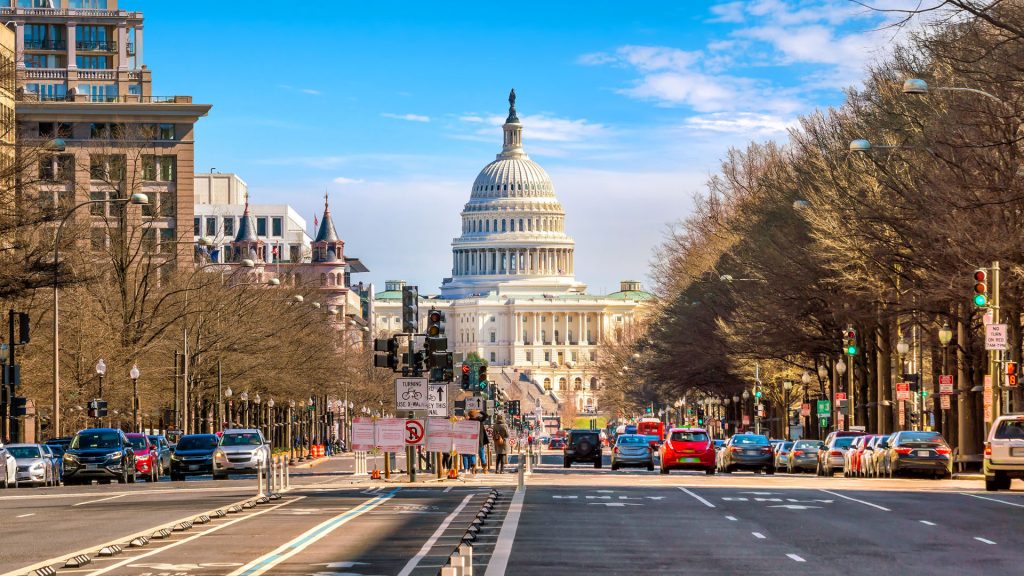
    Foreign aid is one of the United States most important tools. Every single year the U.S. spends 71.9 billion dollars on a mixture of humanitarian relief, economic development, and military assistance abroad. The stated goals are to fight poverty, stabilize fragile regions, and promote American values. But is it truly as philanthropic as it claims? Clearly not, foreign aid is mostly used to strengthen ties and counter China & Russia.

    The biggest institutor of foreign aid is USAID (United States Agency for International Development), USAID was founded in 1961 by John F. Kennedy through the Foreign Assistance Act, and in 1998 it was reorganized as an independent agency.

    Although foreign aid benefits many such as developing nations, U.S. contractors, and key allies like Israel, but it also causes concerns about misuse, corruption, and prioritizing American interests over actual humanitarian need.

    After USAID was shut down by Elon Musk with his Department of Government Efficiency, many concerns were found with usage of government funds. A $500,000 grant was given to Nepal for the Spread of Atheism Overseas, $20 Million for Sesame Street in Iraq, $1.5 Million for DEI Initiatives in Serbia, and accusations of their funding going to Al-Queda affiliates.

    For decades, USAID has operated with billions in taxpayer funding, often without delivering actual results for the American taxpayers. With rising inflation, a housing crisis, student debt, and failing infrastructure at home, many Americans are wondering why we are burning money on these random programs.

    However as humans, we must consider the damage this can do vulnerable populations without access to food, medicine, or education. This also allows China and Russia to expand their influence, offering their own aid packages and making friendships in crucial chokepoints across the world.

    With the growing concerns about the effectiveness and intent of US foreign aid, it is obvious that reform is needed, not radical eliminations. Rather than continuing to fund meaningless programs with unknown outcomes or partisan motivations, the United States should pass a Foreign Aid Accountability Act. This policy would introduce more openness and full disclosure for the general public. If this causes national security lapses, maybe the US could bring in a 3rd party oversight to make sure USAID is going to places that need it and not in the backpocket of officials. By doing so, the United States can still uphold its global leadership and humanitarian commitments whilst addressing the concerns of American taxpayers.
  • Tourism Under Fire: Rethinking Kashmir’s Security Policy After the Pahalgam Attack

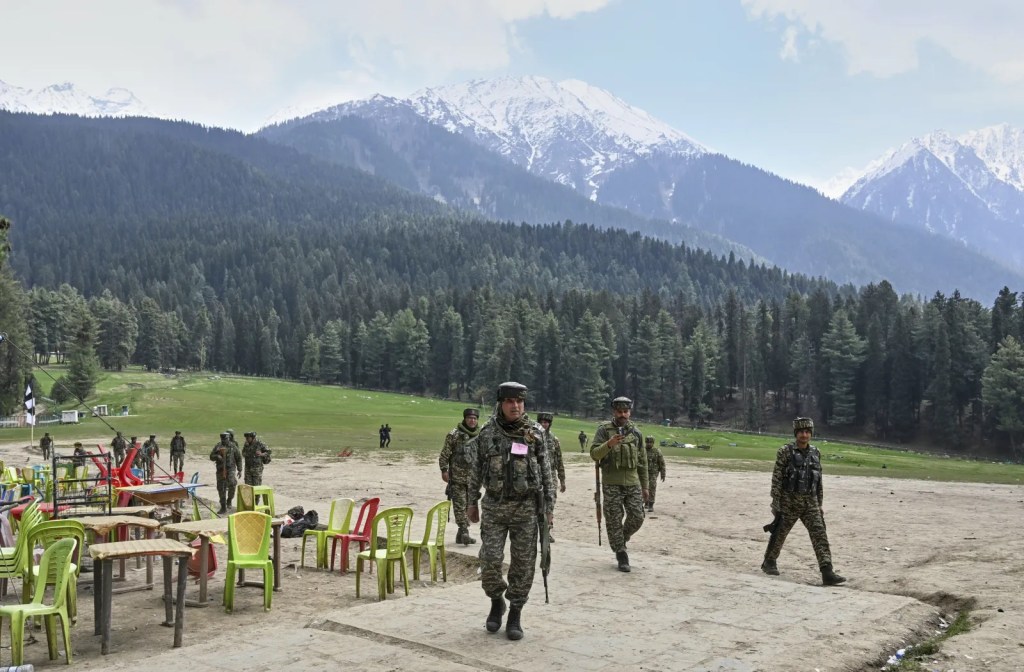
    On April 22nd, 2025, a terrorist attack targeted hindu tourists in Pahalgam, Kashmir, resulting in 26 deaths and casting a major shadow over India’s efforts to show stability in the region and make it a major tourist hub.

    The assailants were members of an offshoot of Lashkar-e-Taiba a Pakistan based Kashmiri “liberation” terrorist group based in Pakistani Occupied Kashmir. They identified themselves as part of The Resistance Front (TRF), a group notorious for the killings of Kashmiri Pandits and Hindu travelers.

    As the dust settled after the attack, it became clear that the consequences went far beyond the immediate loss of life. The attackers had chosen a very vulnerable moment in the tourist season to strike, which had just intensified the sense of fear that had begun to reemerge in the region. This was not a mere continuation of the familiar India-Pakistan terrorism dynamic, like the tragic 26/11 Mumbai attacks. This was a deliberate and targeted assault made to reignite sectarian violence, specifically aimed at Hindus, with the intention of deepening divisions and escalating tensions in the region.

    In the aftermath of the attack, the Indian state moved swiftly and decisively. Security forces were deployed in large numbers across the Kashyapamar valley, determined to restore order and send a clear message that such violence would not go unanswered. Pahalgam, a town once known for its peace and beauty, quickly became a marker of national resilience as armored vehicles patrolled its streets and surveillance operations intensified. Tourists were safely escorted out, and curfews were imposed.

    The Government of India condemned the attack in the strongest possible terms, calling it not only a crime against innocent civilians but a direct challenge to the unity and sovereignty of the nation. New Delhi reiterated its long-standing demand that Pakistan dismantle terrorist infrastructure operating from its territory, emphasizing that India will act quickly to protect its citizens and uphold peace within its borders.

    Beyond the immediate security response, the attack struck a much deeper chord with the Indian public. It rebuilt urgent conversations about the safety of minorities in Kashmir, the future of tourism, and the cost of prolonged instability.

    However for many, the Pahalgam attack served as a painful reminder that peace in Kashmir is still a work in progress. But it also reinforced the belief that Hindustan, with its diversity, democracy, and deep-rooted civilizational strength, and will not allow violence to dictate its path forward.

  • Abuse of Eminent Domain in New York & the Decline of the “Blue Wall”

    New York Supreme Court

    New York’s ongoing abuse of eminent domain remains a critical issue, with the state continuing to seize property without sufficient reforms, even after the 2005 Kelo vs New London decision. This unchecked power undermines property rights and may soon face more scrutiny in the courts.

    At the same time, the Democratic Party is losing ground as population shifts away from traditional blue states like New York, California, and Illinois, while red states like Florida and Texas are experiencing growth. The “Blue Wall” of Democratic strongholds is crumbling, and this demographic change is likely to have consequences in the 2026 and 2028 elections.

    For everyday people, especially young future voters like me, these issues are important. When the government takes property unfairly, it harms individual rights. The decline of the “Blue Wall” shows the Democratic Party is losing touch with working-class families. As a future voter, I care about how the party deals with education, jobs, and affordable living. If they ignore these, it will impact my future. Young voters like me need a party that understands our challenges and find reasonable solutions.

  • Uncertainty Isn’t Just a Feeling—It’s a Policy Problem

    Times of economic uncertainty are nothing new, but the current landscape feels particularly unstable, and the political choices made today will have lasting consequences. Economic volatility is growing, and it’s not just due to global events like inflation or the wars around the globe. Domestic policies, like changes in tax laws, government spending, and economic regulation, have all contributed to this unstable environment. These shifts are causing issues, especially for young people who are currently trying to enter the job market.

    At the heart of this uncertainty is a lack of leadership on economic policy. While some argue for further deregulation and tax cuts to stimulate growth, others call for far more stronger, more intensive social programs to fight inequality. With the lack of a unified front against these issues means that policy decisions are often reactive rather than proactive, which is making it harder for people to plan for their financial future.

    For future voters, including myself, this economic unpredictability is deeply concerning. We’re faced with an unpredictable job market, high education costs, and concerns over rising housing prices, and all of these are created by our current foolish policy decisions. If we want a stable future, we desperately need policies that offer more than just short-term fixes. We need long-term strategies that ensure economic stability, and access to affordable education. As a future voter, these are the issues I, and many others, will be watching closely in upcoming elections. The direction the government chooses now will impact our lives for years to come.

    April 13th, 2025